International Relations Insights and Analysis (IRIA) is a research institute focusing on critical issues that threaten international peace and security. IRIA investigates and offers analysis on security, energy, terrorism, foreign affairs as well as global political agendas. We formulate concise and meaningful research presented in an interesting and interactive manner. The key findings of reports and analysis highlight pragmatic policy options and revise strategies.
IRIA Publications
International Relations Insights and Analysis Publications include monthly Exclusive Reports, annual Defense Review, and Journal of International Affairs & Politics.
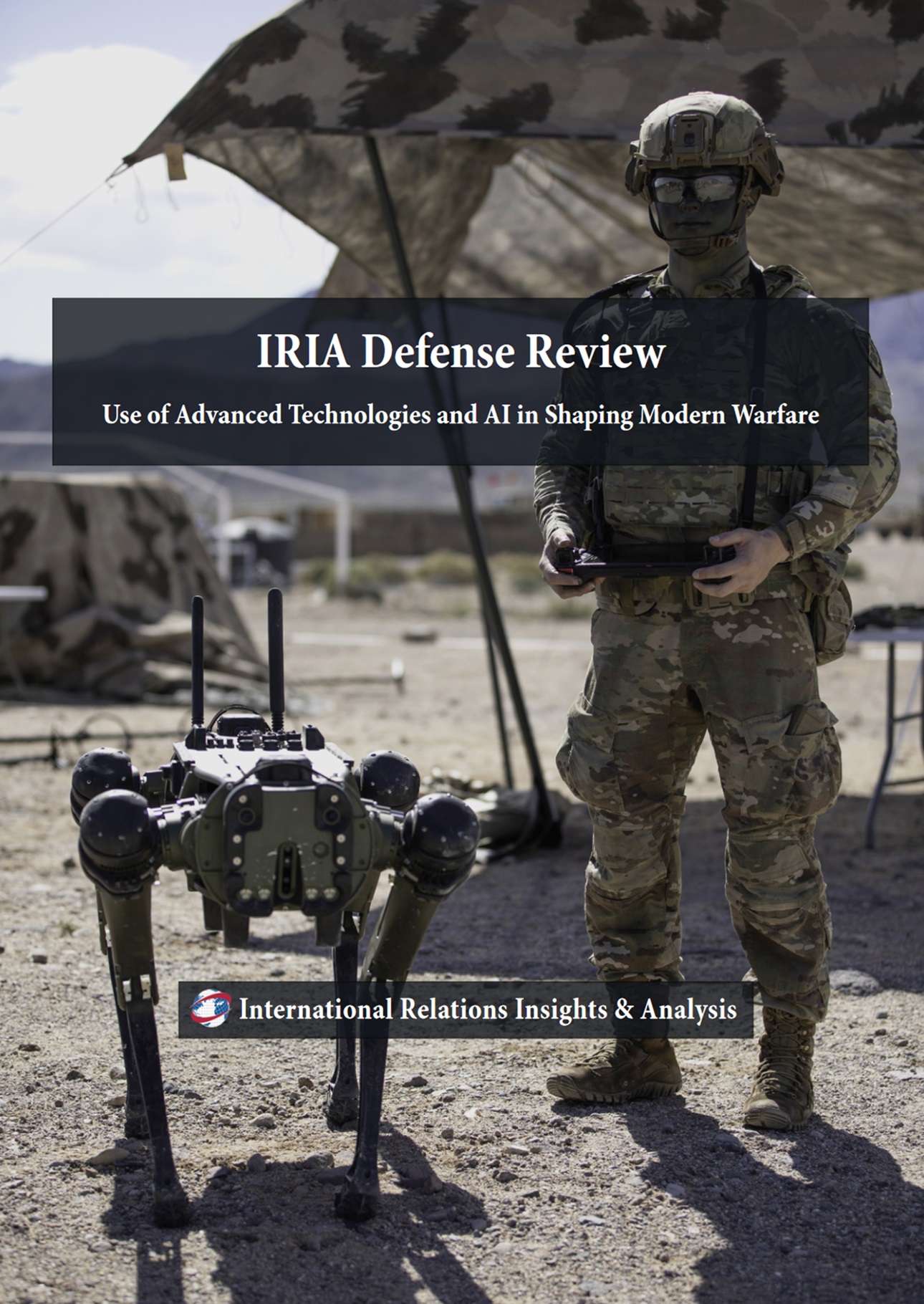
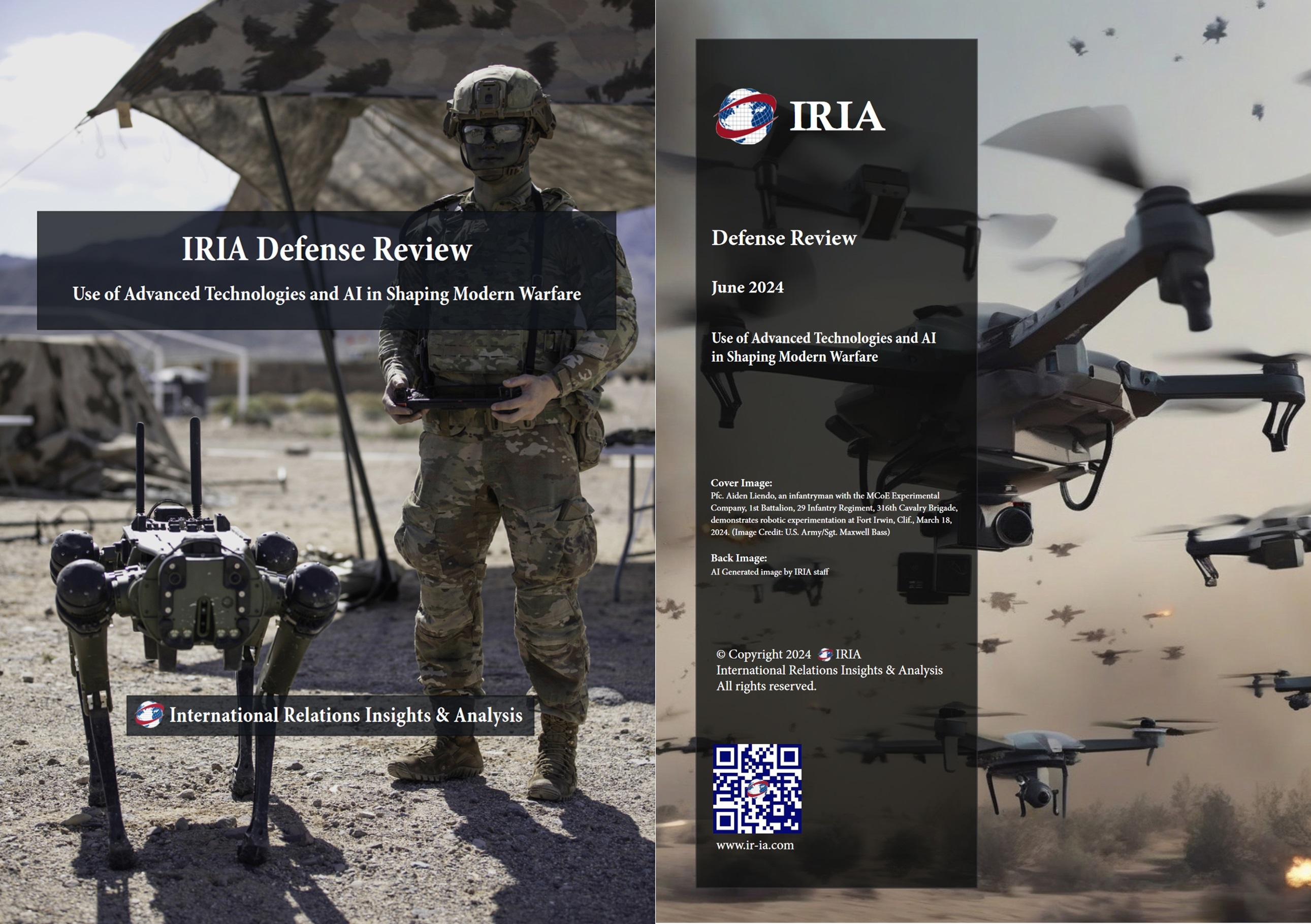
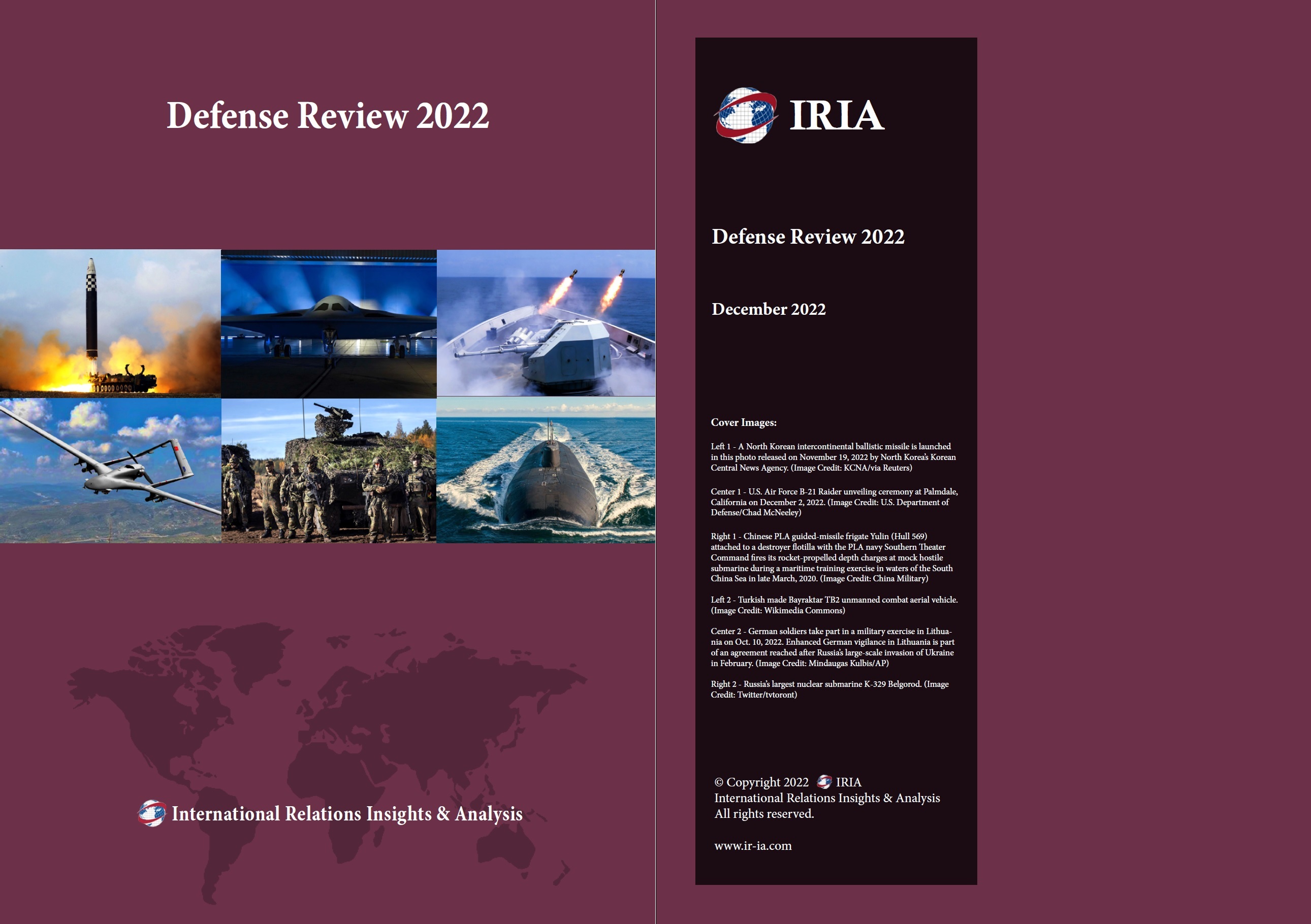
IRIA Defense Review provides a comprehensive overview of emerging weapon technologies and global military developments, offering insights into defense innovation, strategic trends, and evolving security landscapes.
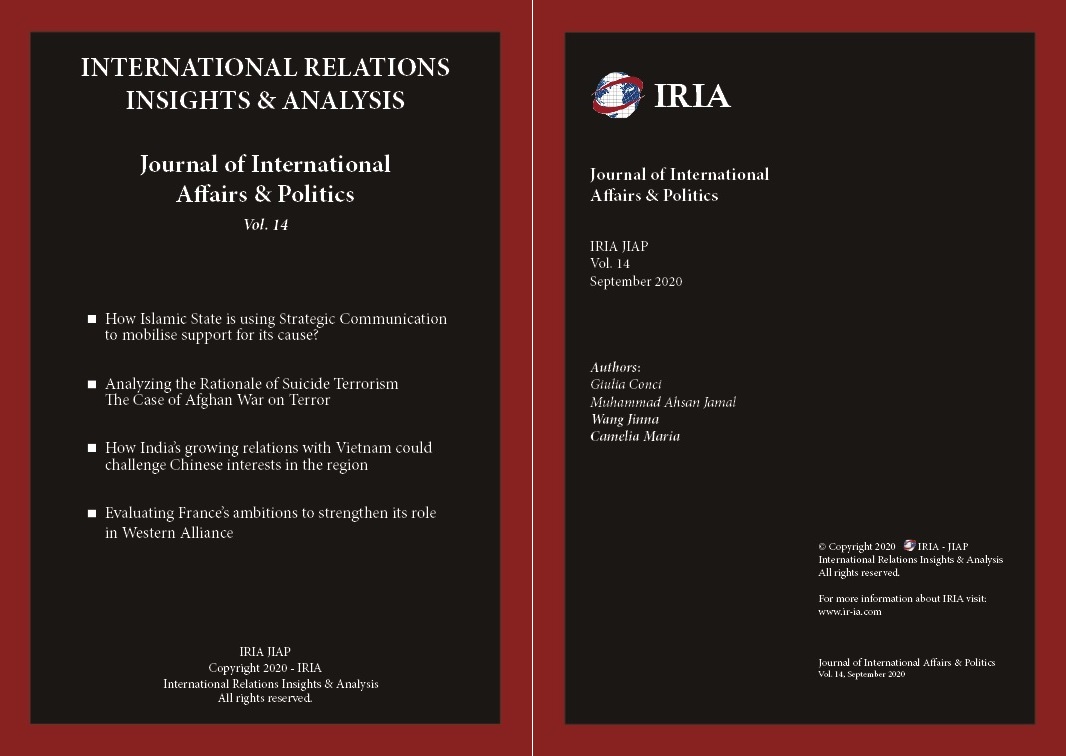
Journal of International Affairs and Politics (JIAP), published by IRIA, is an academic journal that focuses on critical issues in political and social development, regional security, foreign relations, and related fields within the social sciences. JIAP promotes engagement between policymakers and scholars, aiming to generate meaningful impact across academic, policy, and research communities, as well as among students.

Reports and Analysis
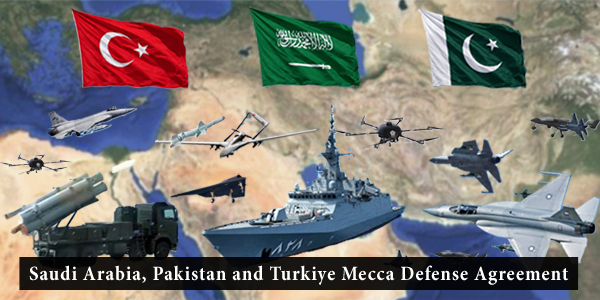
Saudi Arabia, Pakistan and Turkiye Mecca Joint Defense Agreement establishes a collective-defense framework under which an armed attack against any one of the three countries will be regarded as an attack against all. The defense pact comes amid heightened security tensions across the Middle East, including the conflict involving Iran, attacks affecting regional infrastructure and continuing disruption to major maritime routes...
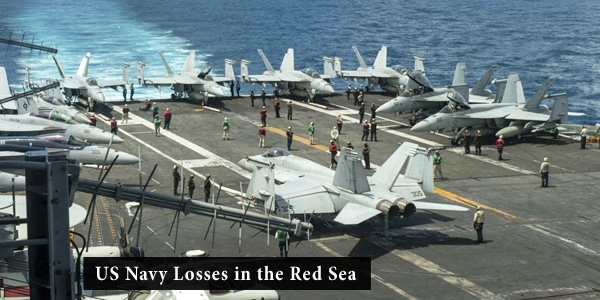
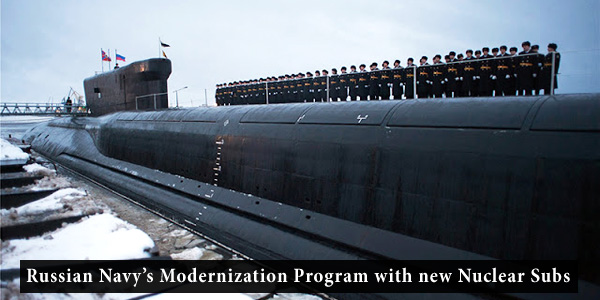
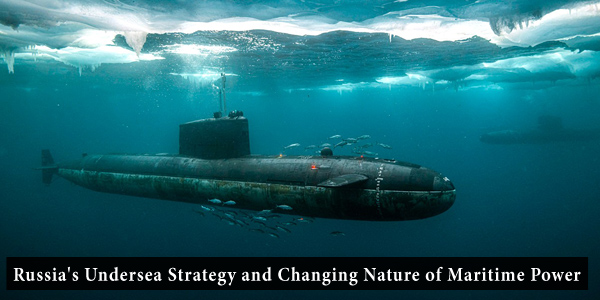
Maritime competition between Russia and the United States has migrated downward, from the fleet actions that defined Cold War rivalry toward a subsurface contest fought across depth, seabed infrastructure, and information networks. Reading this as an attempt to "checkmate" the U.S. Navy would overstate Russian ambition and understate Russian method. Moscow cannot match American carrier aviation, shipbuilding throughput, or defense spending, and it is not trying to...
Europe is spending €739 billion a year to build its strategic autonomy. However, most of the critical components inside its drone fleet are still subject to U.S. export laws. In a conflict, this creates an operational bottleneck: Europe cannot freely deploy, modify, or share its own weapons without a formal sign-off from Washington...
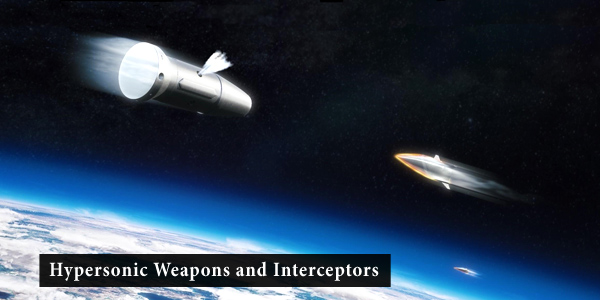
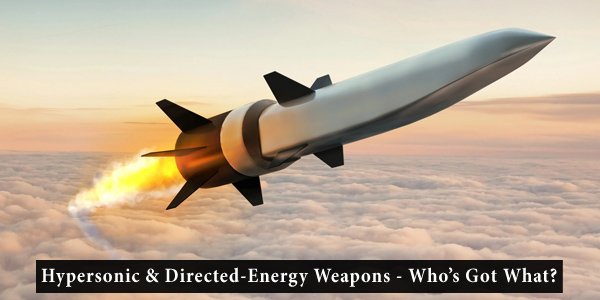
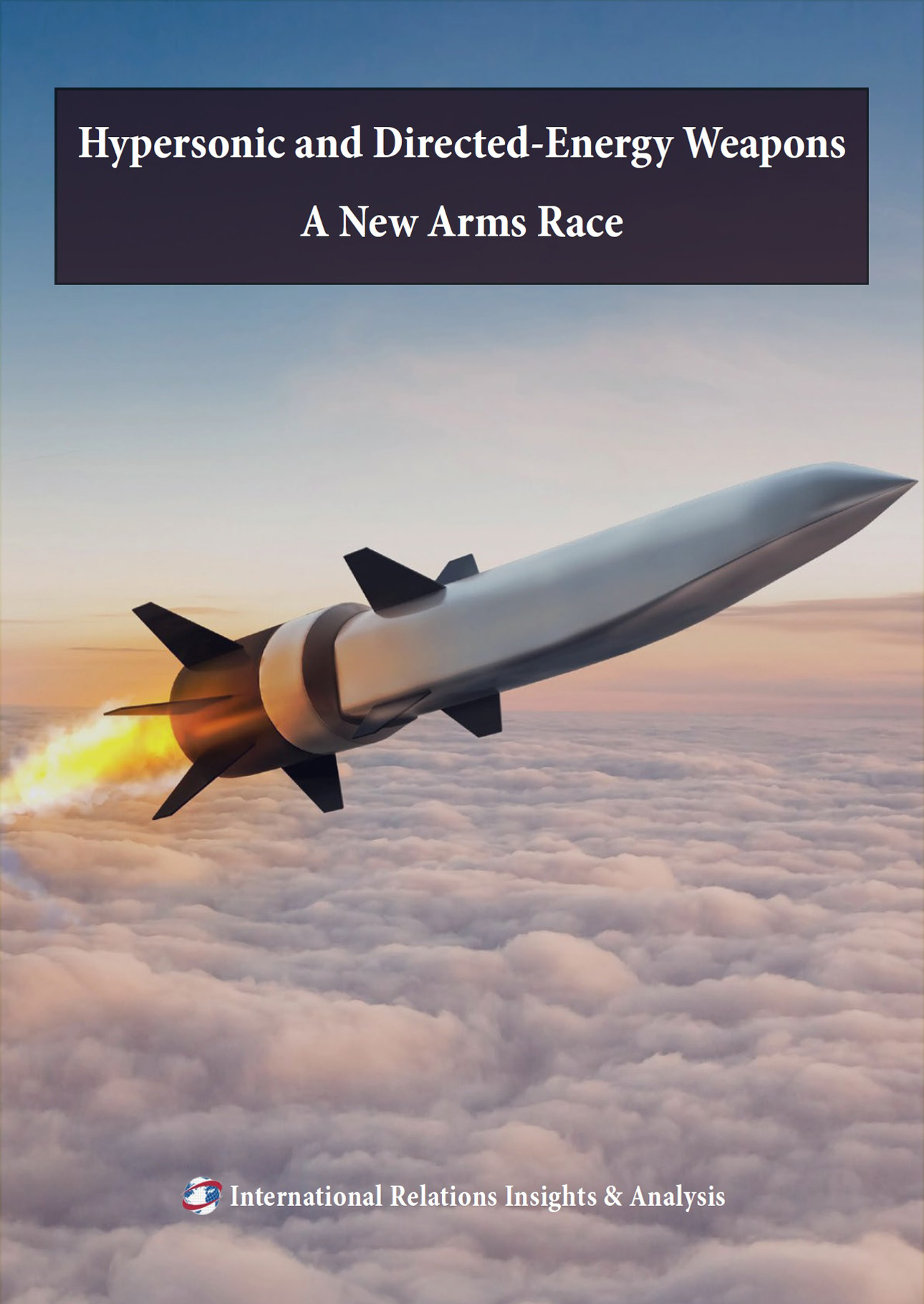
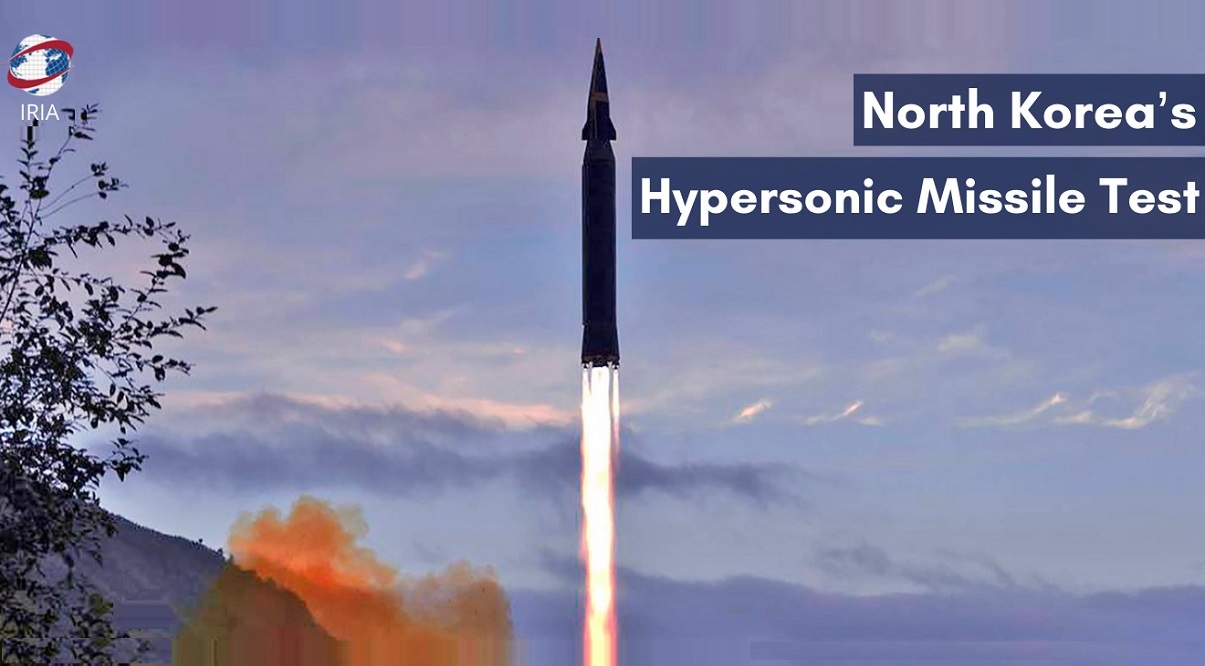
In a world defined by rapid technological advancements, the military landscape has witnessed a monumental shift with the emergence of hypersonic systems. This groundbreaking development in modern warfare has transformed the way nations project power, defend their interests, and reshape global security dynamics. Hypersonic weapons are the next generation of weapons aimed at targeting adversaries with increased precision...
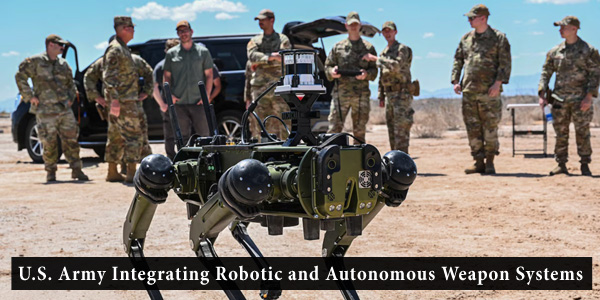
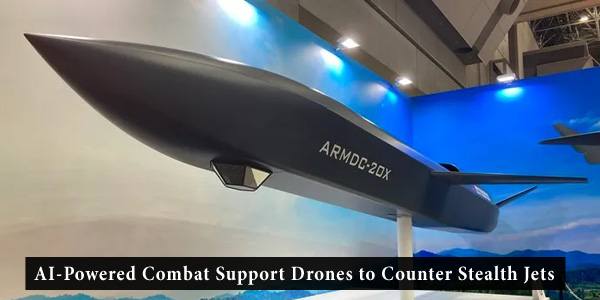
Robotics and Autonomous Systems have become increasingly vital in military operations, with significant impacts on defense capabilities. As countries invest in this technology, these systems will shape future conflicts and warfighting. The U.S. Army is actively integrating advanced robotic and autonomous systems into its units, spanning ground and aerial platforms, with promising experiments conducted at the operational level...
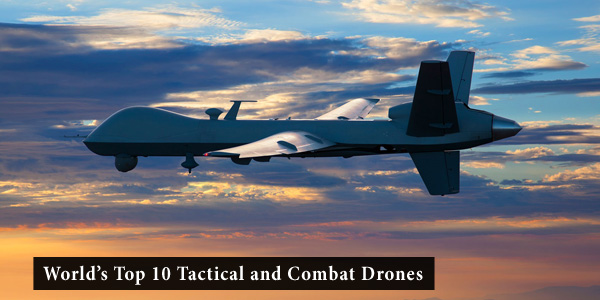
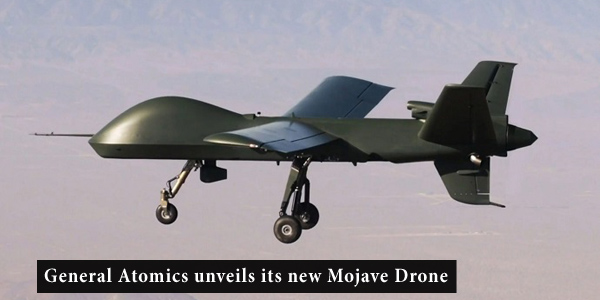
High-tech weapons and advanced battle equipment have changed the dynamics of modern warfare. Now militaries can carry out surveillance, and air raids, and attack their enemies from hundreds of miles away using drone technology. The use of unmanned aerial vehicles in modern security scenarios plays an important role in surveillance, reconnaissance, aerial raids, and finding target coordinates...
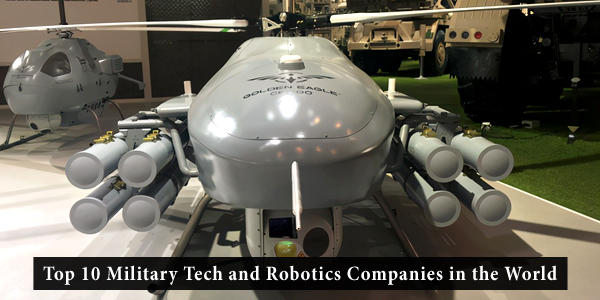
In recent years, military robotics technology has revolutionized warfare with new defense, combat, and surveillance tools. From unmanned aerial vehicles to ground robots, these modern machines are changing the battlefield approach. The use of military robots has grown significantly, with the revenue of the military robotics industries expected to reach $225.6 billion by 2030. With the increased demand and fierce competition...