


Latvia and Germany strengthen defense cooperation with artillery ammunition production facility
Europe, News September 27, 2025 Comments Off on Latvia and Germany strengthen defense cooperation with artillery ammunition production facility5 minute read
The Latvian government signed a Memorandum of Understanding (MoU) with German defense manufacturer Rheinmetall to establish a state-of-the-art 155 mm artillery ammunition production facility on Latvian soil.
The project, worth €275 million ($322 million), was formalized with a MoU signed in Hamburg in the presence of Latvian Prime Minister Evika Silina. By launching a new artillery ammunition production facility, Latvia is moving forward with a major step in building up its defense industry.
The facility will be operated through a joint venture between Latvia’s State Defence Corporation (49%) and Germany (51%). It will give Latvia its own ammunition production line, aimed at supplying the National Armed Forces and strengthening European security of supply.
The new plant will include a modern forging and filling line for artillery shells. Construction is expected to begin in spring 2026, with production scheduled to start the following year. Once operational, the factory is projected to turn out several tens of thousands of artillery shells annually, creating at least 150 local jobs and integrating Latvian companies into the supply chain.
Prime Minister Evika Silina described the project as a matter of both security and long-term national development and said, “Signing this MoU is a clear step towards strengthening Latvia’s security and developing our defense industry.”
📍 Latvia orders Rheinmetall ammunition factory – Group expands global ammunition production network
— Rheinmetall (@RheinmetallAG) September 25, 2025
Read more: https://t.co/gxoZzIYilz pic.twitter.com/YQu0zNDNDR
“By aiming to establish partnership with Rheinmetall Latvia not only builds stronger national defence, but also contributes to security of supply in Europe, enhancing industrial capacity as well as facilitating economic growth. I have been directly involved in this process because I believe that investing in our defence industry is investing in the safety and future of our people,” Silina added.
Shared Responsibility
The agreement highlights a commitment to long-term cooperation and support for allied sovereignty. Latvia’s State Defence Corporation sees the plant as a cornerstone for building lasting capacity within the country’s defense sector.
Board Member of the State Defence Corporation, Ingrida Kirse said, “With the utmost sense of responsibility, we are taking on the entrusted task of jointly establishing an artillery ammunition production facility in Latvia. I am confident that all the necessary conditions are in place, as this project brings together several essential components.”
The mission of the State Defence Corporation is to ensure the needs of the National Armed Forces and to foster the development of Latvia’s defence industry by developing manufacturing capacity,“ Kirse said, adding that “Rheinmetall contributes its longstanding expertise, accumulated know-how, high standards, and international recognition. This synergy forms the foundation of a strong partnership that will both advance the industry and strengthen the security of Latvia and the wider region.”
CEO of Rheinmetall AG, Armin Papperger also underscored the significance of the agreement and said the project would contribute to Latvia’s national sovereignty in the field of ammunition. He noted that “The production line will strengthen our position as the world’s leading manufacturer of artillery ammunition”. Papperger highlighted that Rheinmetall is committed to supporting Latvia’s defense needs and intends to build similar partnerships for ammunition production in other countries.

Regional and Alliance Context
For Latvia, the facility is more than an industrial project; it is part of a wider effort to secure resilience within NATO’s eastern flank. Demand for artillery shells has surged since Russia’s invasion of Ukraine, pushing European countries to expand local production and reduce reliance on limited external suppliers.
Germany has become a central partner in these efforts, backing both the Latvian facility and a similar plant commissioned in Lithuania in late 2024. That site, in Baisogala, is expected to break ground in the coming weeks. Together, these initiatives signal a coordinated Baltic approach to reinforcing NATO’s defensive posture.
The investment underscores Latvia’s determination to embed itself in Europe’s broader defense framework while also securing the capacity to sustain its own military needs. It signals a clear intent to move beyond dependence on external stockpiles, preparing the country and its allies for long-term security challenges. With both Latvia and Lithuania pushing ahead with large-scale ammunition production, the Baltic region is positioning itself as a critical hub for NATO’s supply of artillery.
Strategic Significance
Last year, NATO defense leaders raised concerns about production capacity shortages that result in increased delivery times and prices for equipment and ammunition. NATO defense officials have urged for a boost in defense production to ensure the supply of weapons and equipment.
The NATO members have also taken several steps to replenish ammunition stocks and enhance military mobility. NATO countries are pacing efforts to increase ammunition stocks and seek to acquire a wide variety of critical munitions, including 155mm artillery shells, anti-tank guided missiles, and main battle tank ammunition.
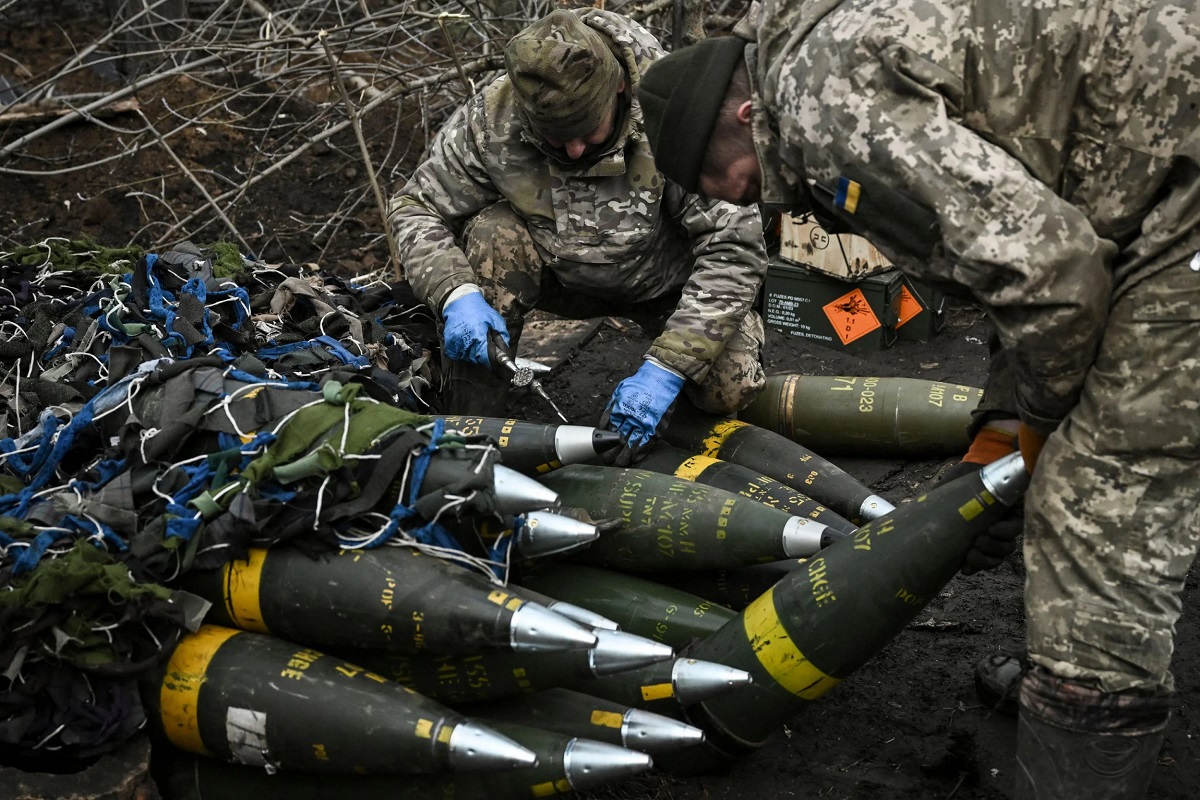
Rheinmetall is the world’s largest manufacturer of artillery ammunition and provides several fellow NATO members with 155mm artillery ammunition. In March 2025, the German defense company received a $226 million (€208 million) contract for 94,200 155mm artillery ammunition from Spain. Earlier this year, Rheinmetall also signed a MoU with a Ukrainian partner company to open a new artillery ammunition plant in Ukraine that would enable the production of artillery rounds in Ukraine.
Related Articles


IRIA Exclusive




IRIA Publications
Regions






