Gaza ceasefire talks in Qatar end without breakthrough, Netanyahu arrives in US for meeting with Trump
Middle East, News, US July 7, 2025 Comments Off on Gaza ceasefire talks in Qatar end without breakthrough, Netanyahu arrives in US for meeting with Trump5 minute read
Indirect ceasefire negotiations between Israel and Hamas concluded without a breakthrough over the weekend on July 6, 2025, despite mounting international pressure and a U.S.-backed push to secure a truce and hostage release deal.
The talks took place over the weekend as Israeli Prime Minister Benjamin Netanyahu arrived in Washington on July 6, 2025, for a high-stakes meeting with U.S. President Donald Trump. This would be Netanyahu’s third trip to the White House since Trump returned to power nearly six months ago, and it comes at a critical juncture.
Public pressure is mounting within Israel to secure a deal that would bring back the roughly 50 hostages still held in Gaza, while also ending the bloody conflict that has ravaged the Palestinian enclave since Hamas’s surprise attack on October 7, 2023.
“I believe the discussion with President Trump can certainly help advance these results,” Netanyahu said before departing for Washington, reiterating his government’s twin objectives: securing the return of the hostages and eliminating Hamas as a threat to Israel. “Our negotiators have clear instructions to achieve a ceasefire agreement under conditions that Israel has accepted.”
President Trump, speaking to reporters before boarding Air Force One in New Jersey, voiced optimism about a potential deal. “I think there’s a good chance we have a deal with Hamas during the week,” he said. “It could lead to the release of quite a few hostages.”
Netanyahu also signaled that his talks with Trump would include broader regional concerns, particularly about Iran. The two leaders are expected to build on last month’s 12-day air conflict between Israel and Iran, during which Israeli and U.S. forces reportedly coordinated strikes to degrade Tehran’s regional proxies.
Ceasefire talks falter again in Doha
Despite the hopeful rhetoric from both leaders, ceasefire negotiations between Israel and Hamas, mediated by Qatar and Egypt in Doha, ended inconclusively on Sunday. According to two Palestinian sources familiar with the talks, the Israeli delegation lacked the necessary authority to finalize a deal.
“The Israeli delegation didn’t have a sufficient mandate to reach an agreement with Hamas,” said one Palestinian official, suggesting internal disagreements within the Israeli government are stalling progress.
Qatari and Egyptian mediators are expected to hold further meetings with both delegations in a renewed attempt to bridge the gaps. Messages and clarifications were reportedly exchanged between the parties through mediators in separate buildings, but no significant progress was made.
Netanyahu’s office confirmed that “changes sought by Hamas to the ceasefire proposal were not acceptable to Israel.” Nevertheless, Israeli delegates are expected to return to Qatar for further discussions, to advance what is being referred to as the “Qatari proposal”, a U.S.-backed plan that includes a 60-day truce and release of hostages.
The Israeli prime minister said the latest Middle East developments have created “an opportunity to widen the circle of peace,” referencing a possible expansion of normalization agreements with Arab states. But before any such diplomatic shift materializes, the immediate priority remains Gaza.
Deep divisions persist
While Hamas has responded to the latest ceasefire plan in a “positive spirit,” major obstacles remain. A group aligned with Hamas voiced concerns about the timeliness of Israeli troop withdrawals, humanitarian aid access, and the operation of the Rafah crossing between Gaza and Egypt.
From the outset, Hamas has insisted that any truce must include a full Israeli withdrawal and a permanent cessation of hostilities, conditions that Netanyahu’s government has consistently rejected.
“The release and return of all the hostages, the living and the fallen; the destruction of Hamas’s capabilities, to kick it out of there, and to ensure that Gaza will no longer constitute a threat to Israel,” Netanyahu said before flying to Washington, reaffirming his hardline stance.
Domestic and international pressure mounts
In Israel, frustration with the government’s handling of the war and hostage crisis is growing. Over the weekend, thousands gathered in Tel Aviv near the Defense Ministry headquarters, waving Israeli flags, chanting, and holding up photos of hostages still held in Gaza.
Demonstrators demanded an immediate ceasefire deal, calling for the government to prioritize the safe return of the hostages over military objectives.

Netanyahu, however, faces stiff resistance from within his coalition. Far-right cabinet members like National Security Minister Itamar Ben Gvir and Finance Minister Bezalel Smotrich have publicly opposed any agreement that does not ensure the total dismantling of Hamas.
Foreign Minister Gideon Saar, however, has expressed cautious support for negotiations, indicating a split within the ruling bloc.
Humanitarian toll and regional implications
The current round of bloodshed began when Hamas militants launched a large-scale attack on southern Israel on October 7, 2023, killing around 1,200 people and capturing 251 hostages, according to Israeli figures.
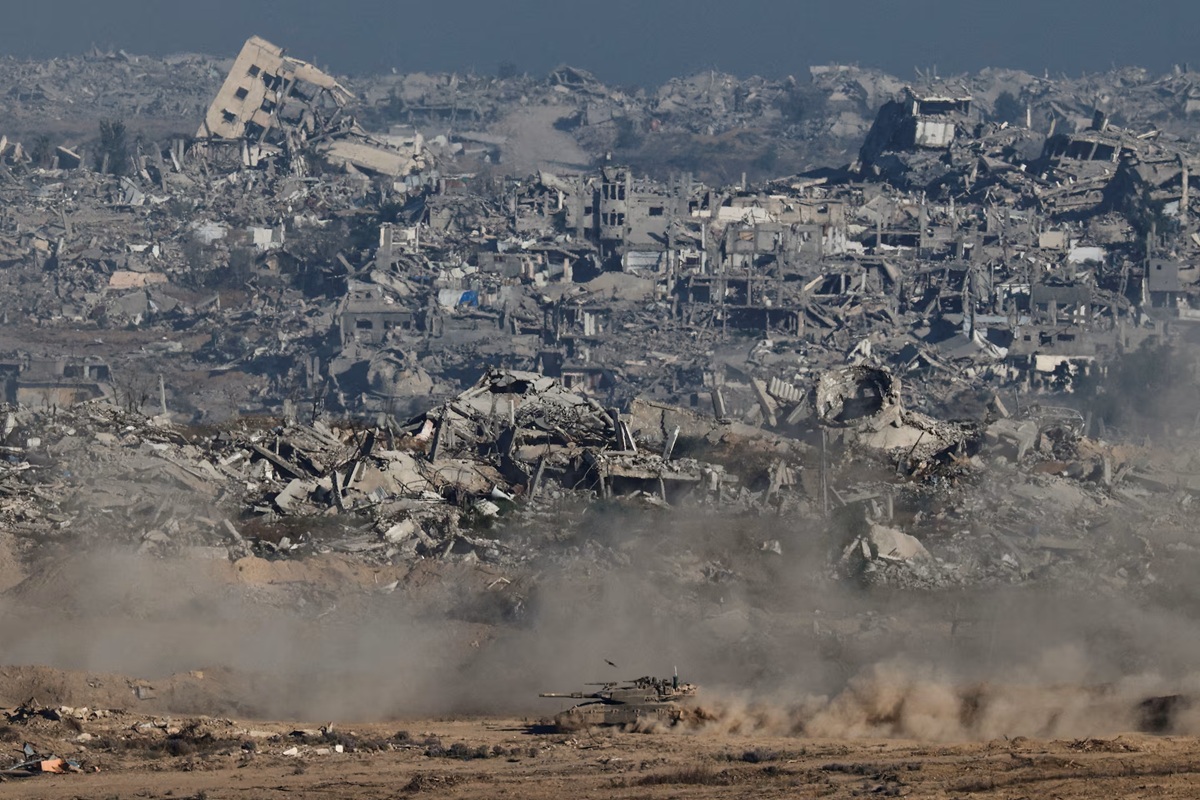
Israel’s military response has devastated the Gaza Strip. According to Gaza’s Hamas-run Health Ministry, over 57,000 Palestinians have been killed. Much of Gaza’s civilian infrastructure has been reduced to rubble, a humanitarian crisis has gripped the enclave, and most of its population has been displaced.
Israeli military officials say they continue to target Hamas infrastructure and operatives in Gaza to pressure the group into releasing the hostages and accepting ceasefire terms. In the past 24 hours alone, Israeli airstrikes reportedly hit 130 Hamas targets, killing an unspecified number of militants.
However, the civilian toll remains heavy. Hospital officials in Gaza said more than 30 people were killed on Sunday. In recent weeks, Israel partially lifted an eleven-week blockade on humanitarian aid entering Gaza, but access remains limited and unpredictable.
Despite recent momentum and renewed diplomatic engagement, the path to a ceasefire remains fraught. Mediators are pushing to resume talks in Doha, but neither Israel nor Hamas appears ready to compromise on their core demands.
Meanwhile, the families of the hostages and the civilian population in Gaza continue to bear the brunt of the impasse. Whether Trump’s direct involvement can shift the dynamics and whether Netanyahu is politically willing and able to bend under pressure, remains to be seen.

Conflict Gaza Genocide Hamas Humanitarian Crisis Israel Middle East Military Palestine Security U.S. War
Related Articles


IRIA Exclusive




IRIA Publications
Regions